Introduction
Smart home devices have revolutionized the way we live, offering convenience, security, and energy efficiency at the touch of a button. For instance, you can get a Zigbee PIR Motion Sensor for just $3.10, down from its original price of $11.49, saving you a whopping 73%. But with a plethora of options available, how do you navigate the line between premium and budget devices? Are the higher-priced gadgets genuinely worth the extra cost, or can budget options provide similar functionality without breaking the bank? In this article, we aim to help you make an informed decision by diving deep into the key aspects of smart home devices, weighing the pros and cons of premium versus budget options, and ultimately guiding you towards a purchase that meets your needs.
By PickNest Editorial Team
Why This Product Category Matters in Daily Life
Smart home technology is no longer a luxury; it has become a necessity for many households. The integration of these devices into our lives enhances not only comfort but also safety and efficiency. Imagine being able to control your lights, thermostat, and security system from your smartphone, regardless of where you are. For instance, a smart motion sensor can alert you to any movement in your home while you're away, providing peace of mind and added security. This level of control leads to energy savings as well; smart thermostats can learn your habits and adjust temperatures accordingly, reducing unnecessary heating or cooling.
Moreover, the convenience of smart appliances transforms mundane tasks into automated processes. From smart ovens that can be preheated remotely to robotic vacuum cleaners tackling daily messes, these devices save us precious time. The adoption of smart home devices is steadily increasing, with reports indicating that the global smart home market is expected to reach over $150 billion by 2025. This rapid growth emphasizes the importance of understanding the nuances between premium and budget devices, ensuring that you make the best choices for your household.
Detailed Spotlight on 3-4 Specific Products
Zigbee PIR Motion Sensor
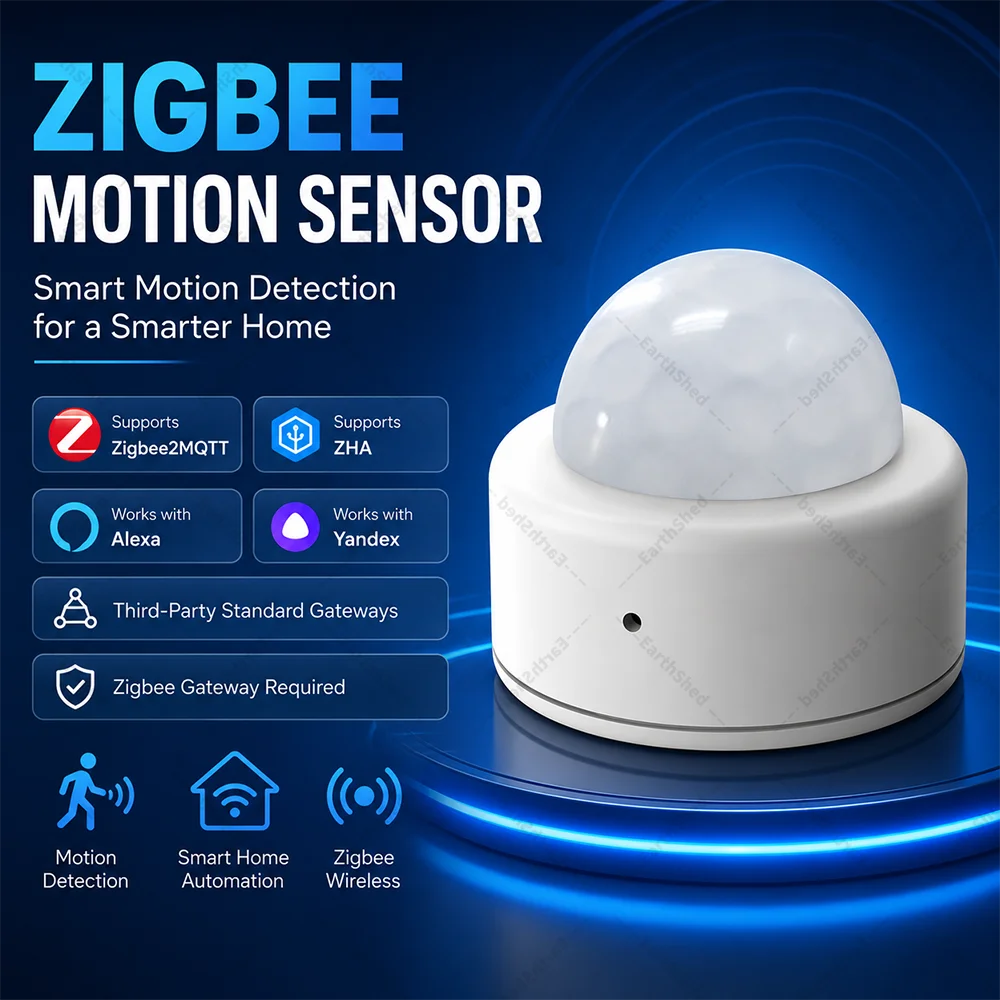
The Zigbee PIR Motion Sensor is a budget-friendly option priced at just $3.10, down from $11.49. While it has not yet accumulated a rating, it is sold in limited quantities, indicating growing interest. This device requires a Zigbee hub and is compatible with platforms like Yandex and Alexa, allowing for integration into your existing smart home setup. Its key advantage is the price point, making it accessible for first-time smart home users. However, the lack of reviews may raise concerns about reliability and performance, which are often better established in premium options.
7 Port USB C Hub Multi Splitter
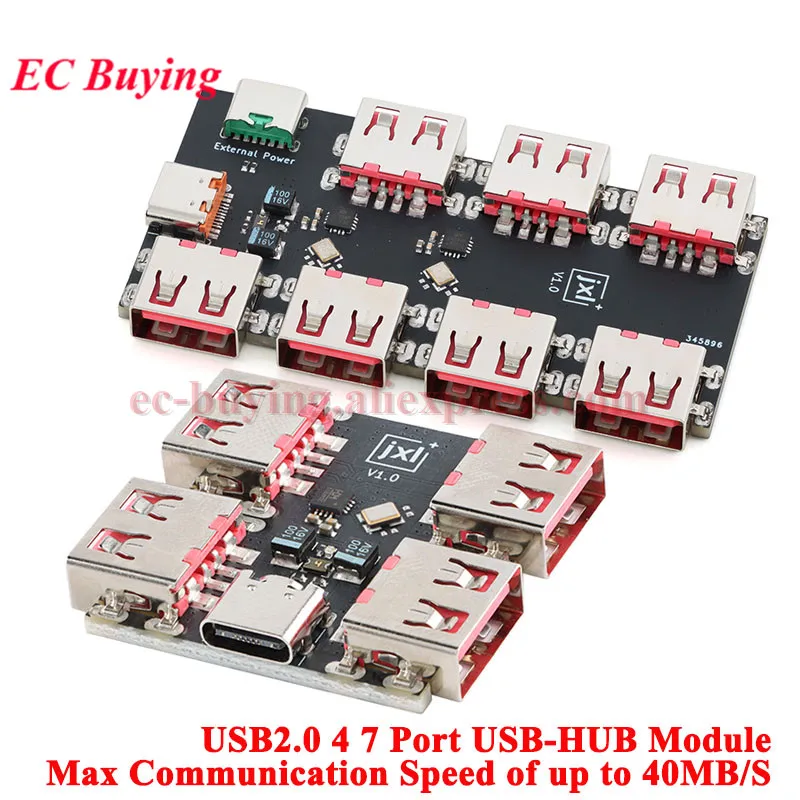
Another noteworthy gadget is the 7 Port USB C Hub Multi Splitter, priced at $5.72, down from $11.45, receiving a perfect rating of 5.0/5 from users. This product is ideal for professionals and students who require multiple device connections. With 14 units sold, it has proven its reliability in everyday use. The pros of this hub include its versatility and ease of use, while the cons may include limited compatibility with non-USB C devices.
TEUCER Thermal Pad
For those focused on maximizing performance in their devices, the TEUCER Thermal Pad is an excellent choice at $3.87, down from $10.74, and boasts a high user rating of 4.8/5 with 234 units sold. This high-performance thermal pad ensures efficient heat conduction in computers and laptops, making it essential for gamers and tech enthusiasts alike. Pros include high thermal conductivity, while cons might be its specific use case, which may not appeal to casual users.
Key Features to Look for When Buying
When shopping for smart home devices, several key features should guide your decision:
- Compatibility: Ensure the device is compatible with existing systems, such as hubs or other smart home devices.
- Ease of Setup: Look for devices that can be easily installed and configured without extensive technical knowledge.
- Functionality: Identify the primary functions you need. Some devices offer multiple features, while others may focus on a single function.
- Support and Updates: Premium devices often come with better customer support and regular software updates, enhancing security and performance.
- Long-Term Reliability: Check reviews and user feedback to gauge the long-term performance and reliability of the device.
Price Range Breakdown: Budget / Mid-range / Premium Picks
Smart home devices can be categorized into three price ranges:
- Budget: Devices in this category typically range from $1 to $50. They may lack advanced features but are excellent for those new to smart technology, like the electronic keychain clock for just $0.39.
- Mid-Range: These devices usually cost between $50 and $150 and offer a balanced mix of features and performance. They often provide better connectivity options and support.
- Premium: Priced over $150, premium smart home products are typically packed with advanced features, superior build quality, and excellent customer support.
Common Mistakes Buyers Make
Many shoppers fall into the trap of overspending on features they may never use. It's essential to identify what you genuinely need before making a purchase. Another common mistake is not checking compatibility with existing devices, leading to frustration and wasted time. Additionally, consumers often overlook warranty and support options, which can save significant hassle down the line. Always prioritize reading reviews and customer feedback to avoid low-quality purchases.
Buying Guide with Practical Tips
Here are some practical tips for buying smart home devices:
- Research: Take the time to read expert reviews and user feedback to understand the pros and cons of various devices.
- Set a Budget: Define a clear budget before you start shopping. This helps narrow down options without being tempted by unnecessary features.
- Assess Your Needs: Evaluate which areas of your home could benefit most from smart technology and focus on those.
- Check Return Policies: Ensure the retailer offers a reasonable return policy in case the device does not meet your expectations.
- Look for Deals: Always shop around for discounts and promotions to get the best value for your money.
FAQ
1. Are budget smart home devices worth buying?
Yes, budget smart home devices can be worth it, especially if you are new to smart technology. They provide essential functionalities at a lower price, allowing you to experiment with different smart home setups.
2. How do I know if a premium smart home device is worth the investment?
Check for features that align with your needs, user reviews, and the reputation of the manufacturer. Premium devices usually offer better performance, support, and longevity.
3. Can I mix budget and premium devices in my smart home setup?
Absolutely! Many smart home systems are designed to be compatible with a wide range of devices, so you can mix and match based on your budget and needs.
4. What features should I prioritize in a smart home device?
Look for compatibility with existing systems, ease of use, and essential functionalities that meet your lifestyle. Reliability and support are also crucial for long-term satisfaction.
5. How often should I upgrade my smart home devices?
Upgrade your devices when they no longer meet your needs, if new technology significantly enhances functionality, or if you require compatibility with newer systems.
Final Verdict and Call to Action
Understanding the differences between premium and budget smart home devices can help you make informed purchasing decisions that enhance your living experience without overspending. Whether you choose budget-friendly options like the Zigbee PIR Motion Sensor or opt for more advanced devices, ensure that they align with your needs and lifestyle. Explore the options available at PickNest, and start building your smart home today!
Related Products on PickNest
Explore these hand-picked products from PickNest — compare prices and ratings before you buy.