Introduction
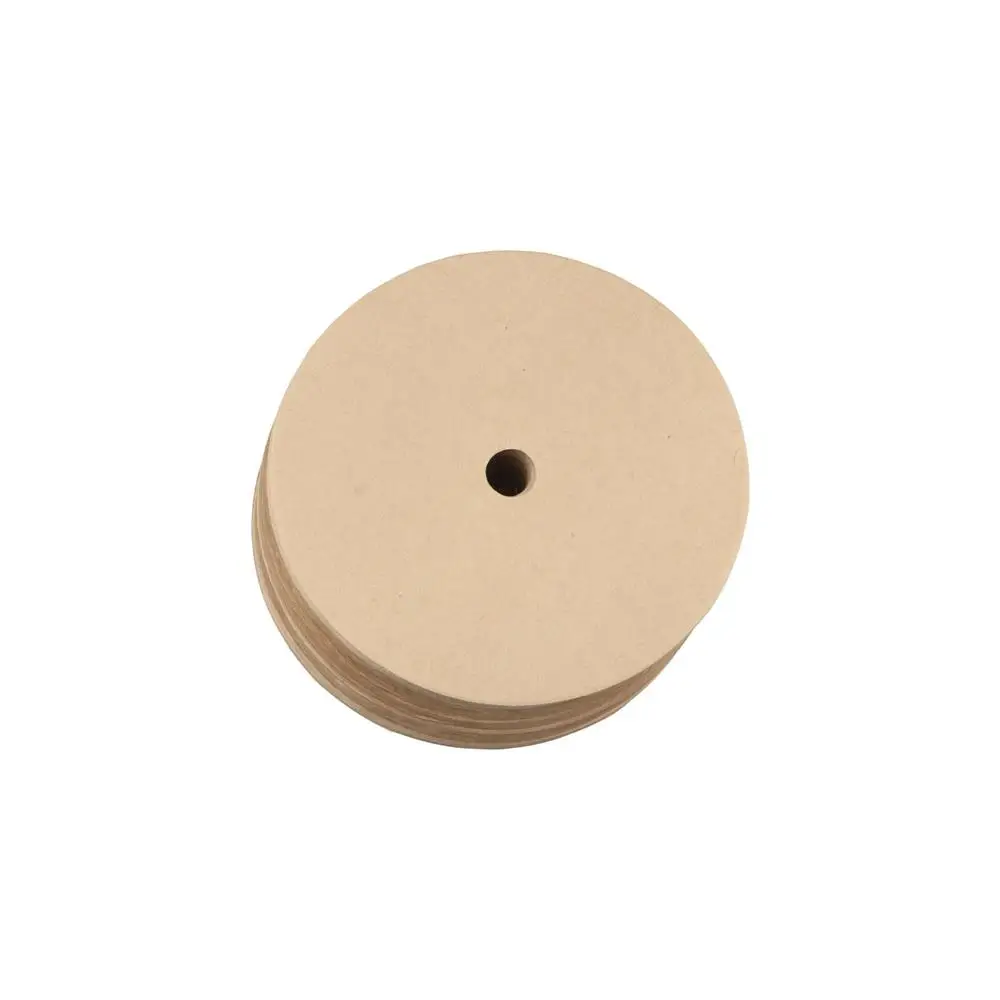
In an era where sustainability is more than just a trend, it’s a lifestyle choice, having eco-friendly kitchen tools has never been more essential. You can get 200Pcs 3.75 Inch Percolator Coffee Filters for just $2.88 right now, down from $6.40, making it an attractive option for coffee lovers who want to reduce waste while enjoying flavorful brews. As we look toward 2025, investing in sustainable kitchen tools is not just a responsibility but a smart choice that benefits both your household and the planet.
In this article, we will explore some of the best eco-friendly kitchen tools, their importance in our daily lives, and how they contribute to sustainable living. The right tools not only make cooking easier but also have a reduced environmental impact. Join us as we delve into the world of eco-conscious culinary aids, presented by the PickNest Editorial Team.
Why Eco-Friendly Kitchen Tools Matter
Eco-friendly kitchen tools play a crucial role in reducing your carbon footprint and promoting healthier living. Every time you cook, the tools you use can either support or harm the environment. By choosing environmentally friendly options, you help decrease waste, reduce harmful chemicals, and save resources. For instance, traditional kitchen tools often come with plastic components that can take hundreds of years to decompose.
Moreover, sustainable kitchen tools are usually made from recyclable or biodegradable materials. This means that when they're no longer useful, they won’t contribute to landfill waste. Considering the alarming statistics regarding waste accumulation, the importance of making conscious choices cannot be overstated. By replacing a few conventional tools with eco-friendly alternatives, you not only make a positive change in your kitchen but also set an example for family and friends.
In addition to their environmental benefits, many eco-friendly kitchen tools are designed with longevity in mind. Unlike their disposable counterparts, sustainable tools often boast durability and efficiency. This means fewer replacements over time, leading to cost savings in the long run. As consumers become more aware of their purchasing decisions, investing in quality over quantity becomes increasingly attractive.
Spotlight on Eco-Friendly Kitchen Tools
Let’s take a closer look at four specific eco-friendly kitchen tools that can revolutionize your cooking experience, enhance your sustainability efforts, and offer great value for your money.
1. Unbleached Coffee Filters
The 200Pcs 3.75 Inch Percolator Coffee Filters are a must-have for coffee aficionados who want to enjoy their brews without the waste. Priced at just $2.88 (originally $6.40), these filters are made from unbleached materials, ensuring no harmful chemicals seep into your coffee. With a rating of 0.0/5 and a pack size of 200, they are a great long-term investment.
- Pros: Eco-friendly, cost-effective, enhances coffee flavor.
- Cons: Requires proper disposal to avoid littering.
2. Durable Storage Solutions
For those who utilize rechargeable batteries, the Waterproof 18650 Battery Plastic Storage Box is a game-changer. Available for just $0.43 (was $4.45), this storage box is not only budget-friendly but also designed to keep your batteries organized and protected. With a waterproof feature, it ensures your batteries remain in optimal condition.
- Pros: Waterproof, organizational tool, excellent price point.
- Cons: Limited to specific battery sizes.
3. Eco-Friendly Jewelry Making Accessories
If you enjoy crafting, consider the 10Pcs/Lot Stainless Steel Twist Rope Circle Connectors. Priced at $0.63 (was $0.90), these durable jump rings are perfect for assembling jewelry without the environmental impact of plastic alternatives. With a 4.8/5 rating and 45 units sold, they are highly regarded among crafting enthusiasts.
- Pros: Durable, eco-friendly material, highly rated.
- Cons: Specific to jewelry-making.
4. Educational Tools for Kids
For families looking to combine sustainability with education, the Fraction Toy Magnetic Fraction Tiles serve as an excellent teaching aid. Available for $1.95 (was $3.89), these colorful fraction circles allow children to learn math concepts in a fun and engaging way. Although it has a 0.0/5 rating, the educational value is undeniable.
- Pros: Engaging, educational, promotes hands-on learning.
- Cons: Rating may deter some buyers.
Key Features to Look for When Buying Eco-Friendly Tools
When selecting your eco-friendly kitchen tools, there are several key features to consider to ensure you make the best choice for your sustainable lifestyle:
- Material: Opt for tools made from renewable, recyclable, or biodegradable materials. Bamboo, stainless steel, and glass are excellent choices.
- Durability: Invest in long-lasting products that won’t require frequent replacements. Check reviews to gauge the lifespan of the product.
- Functionality: Ensure the tool serves its purpose efficiently. A sustainable product should not compromise on performance.
- Ease of Cleaning: Look for tools that are easy to clean and maintain, ideally dishwasher-safe or non-stick.
- Brand Ethics: Consider brands that prioritize sustainability in their manufacturing processes and packaging.
Price Range Breakdown
Understanding the price range of eco-friendly kitchen tools can help you make informed decisions based on your budget:
- Budget Picks: Tools priced under $5, such as the Waterproof 18650 Battery Storage Box at $0.43 and Unbleached Coffee Filters at $2.88 are both excellent choices.
- Mid-Range Picks: Products that fall between $5 and $15 often include high-quality, durable kitchen tools that provide a balance between price and performance.
- Premium Picks: For those willing to invest more, premium options above $15 typically offer advanced features, exceptional quality, and longevity.
Common Mistakes Buyers Make
When purchasing eco-friendly kitchen tools, shoppers often fall into common traps that can compromise their sustainability goals:
- Overlooking Material Sources: Not all eco-friendly claims are equal; always research the material's origin and its environmental impact.
- Ignoring User Reviews: Reviews can provide insight into product durability and functionality; skipping this step may lead to poor purchases.
- Choosing Aesthetics Over Function: While appearance is important, functionality should never be sacrificed for looks.
- Buying Single-Use Products: Avoid tools that are designed for one-time use, as these can contribute to waste rather than reduce it.
Buying Guide with Practical Tips
Here are practical tips to consider when shopping for eco-friendly kitchen tools:
- Do Your Research: Before making a purchase, read reviews and check the brand’s commitment to sustainability.
- Keep It Simple: You don’t need a vast array of tools; focus on versatile items that can serve multiple functions.
- Check for Certifications: Look for certifications that validate the product’s eco-friendly claims.
- Support Local Brands: Whenever possible, choose products made by local artisans or manufacturers to reduce shipping emissions.
- Educate Yourself: Stay informed about sustainable practices and innovations in the kitchenware industry.
FAQ
1. What materials are considered eco-friendly for kitchen tools?
Eco-friendly materials include bamboo, stainless steel, glass, and recycled plastics. These materials are often renewable and provide less environmental impact compared to traditional plastics.
2. How can I ensure the longevity of my eco-friendly kitchen tools?
To ensure longevity, follow the manufacturer's care instructions, avoid harsh chemicals during cleaning, and store them properly to prevent damage.
3. Are eco-friendly kitchen tools more expensive?
Initially, some eco-friendly options may have a higher upfront cost, but they often provide long-term savings through durability and reduced replacement rates.
4. Can I find eco-friendly kitchen tools at major retailers?
Yes, many major retailers now offer a selection of eco-friendly kitchen tools, though it's essential to verify the sustainability of each product.
5. How do I dispose of eco-friendly kitchen tools once they’re no longer usable?
Always check local waste management guidelines for disposal. Many eco-friendly items can be composted or recycled, depending on the material.
Final Thoughts
Embracing eco-friendly kitchen tools is a step towards sustainable living that benefits you and the planet. With options like the Unbleached Coffee Filters and the Waterproof Battery Storage Box, you can make a significant impact without compromising quality. As you consider your next kitchen upgrade, let this guide help you choose tools that align with your sustainability goals. Start making eco-conscious choices today and watch how small changes can lead to a healthier planet.
Related Products on PickNest
Explore these hand-picked products from PickNest — compare prices and ratings before you buy.