Introduction to DIY Electronics
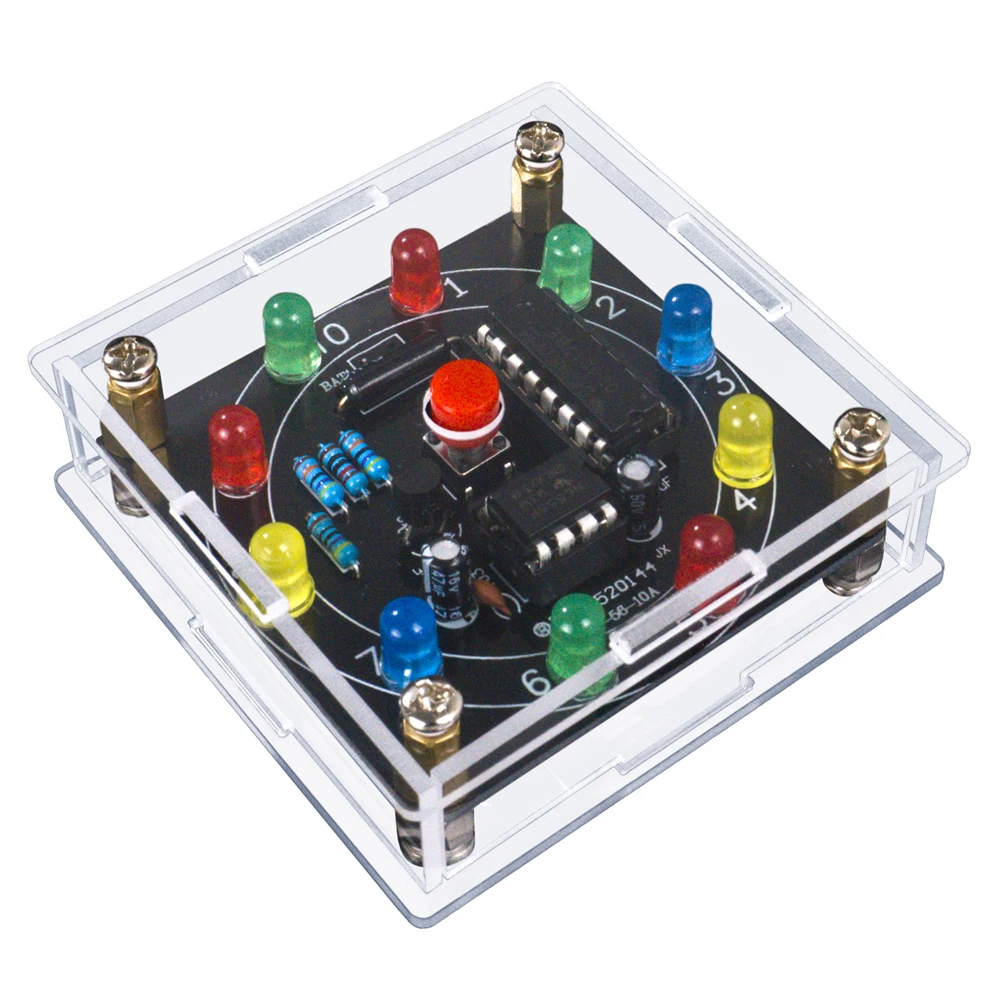
In a world where technology is rapidly evolving, DIY electronic kits have emerged as an exciting way to engage with electronics and coding. You can get started with the DIY LED Light Lucky Wheel Electronic Kit for just $3.26, making it an affordable way to introduce yourself or a loved one to the world of electronics. This kit is not just cost-effective but also fun, combining education with hands-on experience. In 2025, these kits are more relevant than ever, not only as tools for learning but also as gateways to understanding the technology that shapes our daily lives. By exploring these kits, you can develop skills that are invaluable in today's tech-driven society.
By PickNest Editorial Team
Why DIY Electronic Kits Matter in Daily Life
DIY electronic kits provide numerous benefits that extend beyond mere entertainment. First and foremost, they foster creativity and critical thinking. When you sit down to tackle a project, you engage in problem-solving and innovative thinking. This is especially important in a time when many educational systems are shifting towards STEM (Science, Technology, Engineering, and Mathematics) education. These kits serve not only as a fun pastime but also as a stepping stone into a field where demand for skilled professionals is ever-growing.
Moreover, these kits are an excellent way for families to bond. Working on projects together promotes teamwork and communication skills among family members. Children learn to express their ideas, and adults often find themselves rediscovering the joy of creation. A project like the DIY LED Light Lucky Wheel Electronic Kit can spark conversations about logic, design, and the principles of electronics, making learning organic and enjoyable.
Furthermore, engaging with these DIY kits can lay the groundwork for future academic and career pursuits in technology-related fields. Having hands-on experience with electronics can encourage children to explore engineering, programming, or even robotics, all of which are high-demand career paths. In 2025, as technology becomes even more integrated into our lives, the skills learned through these kits will be invaluable.
Spotlight on DIY Electronic Kits
When navigating through the vast array of DIY electronic kits available, it’s crucial to highlight a few standout products that cater to different interests and skill levels. Below, we take a closer look at some of the top-rated kits on the market.
1. DIY LED Light Lucky Wheel Electronic Kit
The DIY LED Light Lucky Wheel Electronic Kit is more than just a fun project; it’s a fantastic introduction to soldering and basic circuit design. Priced at only $3.26, this kit has garnered a solid rating of 4.6 out of 5 from 330 users, reflecting its popularity among hobbyists. The project encourages users to estimate dice rolls, creating an engaging experience that combines game mechanics with electronics. However, it's essential to note that this kit requires soldering skills, making it more suitable for those who have some basic knowledge or are willing to learn.
2. Lenovo Portable 4K Full HD Webcam
Although not a traditional DIY kit, the Lenovo Portable 4K Full HD Webcam is an essential tool for those looking to share their DIY projects online. At a remarkable price of $23.75, reduced from $159.93, this webcam enhances live streaming and video conferencing experiences, making it a perfect accessory for content creators who want to showcase their DIY skills. Although it currently has 0 reviews, the significant discount makes it an attractive option for anyone serious about sharing their projects.
3. Half Finger Bike Gloves
If you’re looking to engage in DIY projects that involve outdoor activities, consider the Half Finger Bike Gloves. Priced at $21.89, these gloves provide anti-slip and shock-absorbing features, enhancing comfort during cycling or when working on outdoor projects. With a high rating of 4.9 out of 5 from 1595 users, they have proven to be a reliable choice for both casual and serious cyclists.
Key Features to Look for When Buying DIY Electronic Kits
When selecting a DIY electronic kit, several key features can guide your decision:
- Skill Level: Ensure that the kit matches your or the recipient's skill level. Some kits are beginner-friendly, while others require advanced knowledge.
- Components Included: Check what components come with the kit. A good kit should provide all necessary parts, along with a detailed instruction manual.
- Project Type: Consider what kind of project you want to undertake. Whether it's a simple circuit, a game, or a more complex gadget, ensure the kit aligns with your interests.
- Reviews and Ratings: Look at user reviews and ratings, as they can offer valuable insights into the kit's quality and functionality.
- Support and Community: Some kits come with online community support, which can be beneficial for troubleshooting and advice.
Price Range Breakdown
The price of DIY electronic kits can vary significantly based on complexity and brand. Here’s a brief breakdown:
- Budget Picks: Kits like the DIY LED Light Lucky Wheel Electronic Kit are available for under $5, making them perfect for beginners or casual hobbyists.
- Mid-Range Options: Kits ranging from $20 to $50 often offer more advanced projects with better components. Products like the Lenovo Portable Webcam may fall into this category if you consider accessories that enhance your DIY experience.
- Premium Choices: For those seeking high-end kits with extensive features and higher-quality components, expect to spend $100 and above. These kits often provide an in-depth learning experience, suitable for serious enthusiasts or educational purposes.
Common Mistakes Buyers Make
When purchasing DIY electronic kits, several common pitfalls can hinder your experience:
- Not Assessing Skill Level: Many buyers overlook their or their child’s skill level, leading to frustration. Always choose kits that align with the user’s expertise.
- Ignoring Reviews: Skipping user reviews can result in poor-quality purchases. Take time to read feedback before deciding.
- Overlooking Instructions: Some kits may look appealing but come with inadequate instructions. Ensure that you choose kits that provide clear guidance.
- Neglecting Future Projects: Often, beginners buy one kit without considering future projects. Choose versatile kits that can lead to more advanced tasks.
Buying Guide with Practical Tips
To ensure a successful DIY experience, follow these practical buying tips:
- Research: Spend time researching various kits to find one that meets your needs and interests.
- Check for Tutorials: Look for kits that offer online tutorials or community forums, as these resources can help you troubleshoot and enhance your learning.
- Start Small: If you're new to DIY electronics, begin with simpler projects to build your confidence before tackling more complex kits.
- Budget Wisely: Set a budget and stick to it. It’s easy to get carried away with exciting and advanced kits, but start within your price range to avoid disappointment.
Frequently Asked Questions (FAQ)
1. What age group are DIY electronic kits suitable for?
DIY electronic kits vary widely in complexity, making them suitable for various age groups. Younger children may enjoy simple kits that require minimal assembly, while older teens and adults can tackle more complex projects.
2. Do I need prior experience to use these kits?
Many kits are designed for beginners and come with detailed instructions. However, some projects may require prior experience, especially those involving soldering or complex circuitry.
3. Can DIY electronic kits be educational?
Absolutely! These kits teach valuable skills, including problem-solving, critical thinking, and technical skills related to electronics and coding.
4. Where can I find additional resources for learning?
Many DIY kits provide online tutorials and community forums. Websites like YouTube also offer a plethora of instructional videos to help you understand the concepts better.
5. Are there any safety precautions I should take?
Yes, always follow safety instructions provided with the kit. Use safety goggles when soldering, and avoid touching components when powered. Supervision is advised for younger users.
Final Verdict and Call to Action
In summary, DIY electronic kits are an exciting way to learn about technology while having fun. With options like the DIY LED Light Lucky Wheel Electronic Kit at just $3.26, anyone can get started on their creative journey. As you explore these kits, consider your interests and skill level to find the perfect match. Happy building, and remember, the world of DIY electronics awaits you!
Related Products on PickNest
Explore these hand-picked products from PickNest — compare prices and ratings before you buy.